
Navigating Software Testing: Validation vs. Verification
In the software development lifecycle, understanding the distinction between validation and verification is crucial for ensuring high-quality products. While these terms are often used interchangeably, they play distinct roles in the development process. Misunderstanding or neglecting either can lead to costly errors and delays. In this article, we’ll break down the differences and explain why both processes are essential to delivering successful software.
What is Verification?
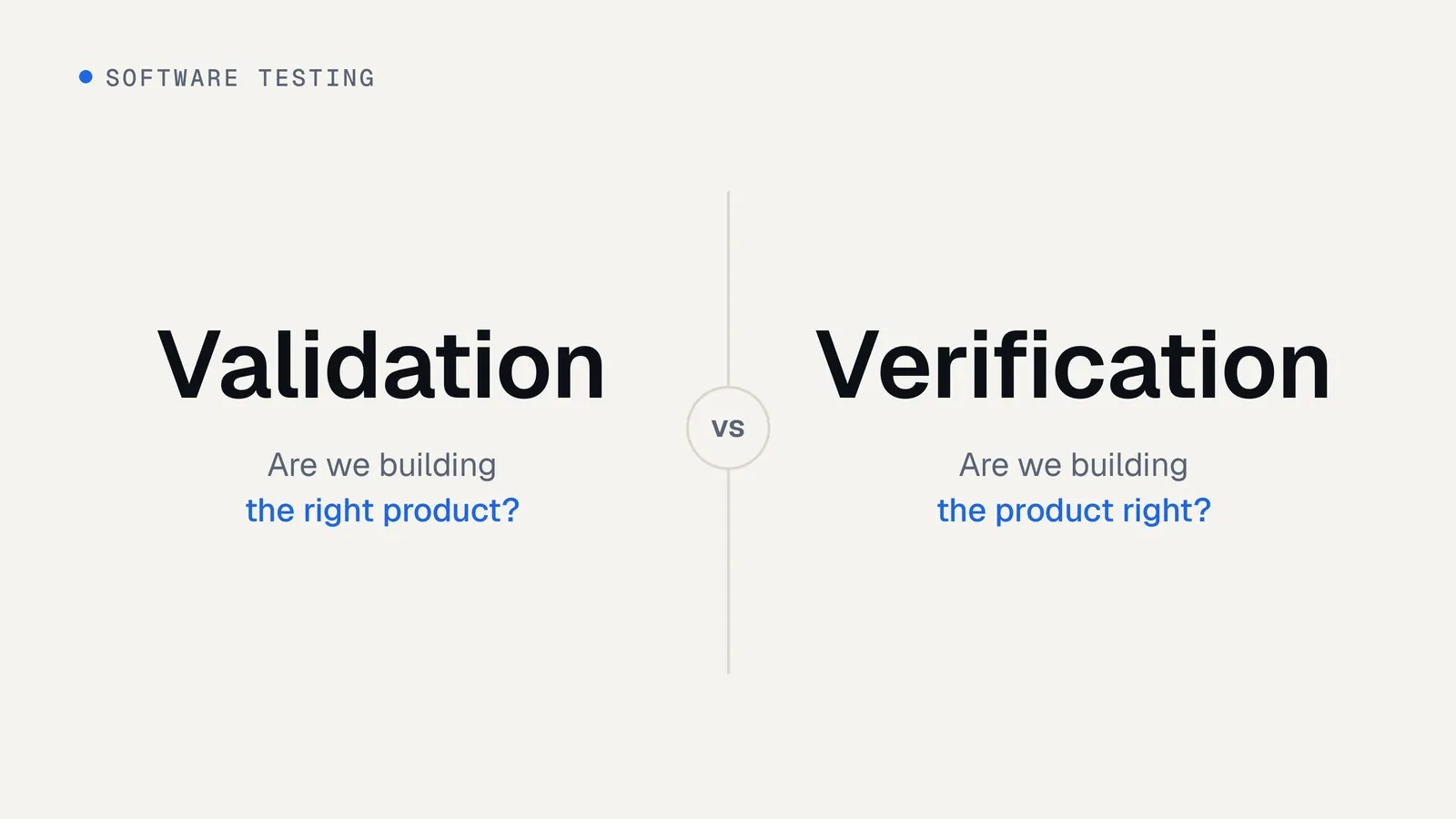
Verification is the process of evaluating work products to ensure they meet specified requirements and design standards. It answers the question: Are we building the product correctly? During the verification phase, the focus is on reviewing elements such as code, architecture, and documentation to confirm that the software is being developed according to predefined specifications. Verification primarily involves static testing methods, such as:
- Code Reviews
- Inspections
- Walkthroughs
Verification is typically carried out early in the development cycle and continues throughout the project. This early intervention helps identify issues before they evolve into larger problems. Research by the IEEE suggests that addressing defects early during verification can reduce project costs by up to 30%.
What is Validation?
Validation, on the other hand, addresses a different question: Are we building the right product? Validation ensures that the finished software meets the needs and expectations of end users. It involves dynamic testing processes such as functional, non-functional, and user-focused testing. Key validation methods include:
- Functional Testing
- User Acceptance Testing (UAT)
- Performance Testing
While verification checks whether the product is being built according to design specifications, validation confirms that the software fulfills its intended purpose. According to Gartner, 56% of failed software projects are attributed to poor validation and misalignment with user requirements, highlighting the importance of this phase.
Why Both Are Essential?
Both verification and validation are integral to delivering a functional, reliable product that meets user expectations. Neglecting either process can lead to serious setbacks:
- Skipping Verification: Without proper verification, issues in the code or design may remain undetected, leading to expensive fixes later in the project.
- Neglecting Validation: Failing to validate the product risks releasing software that doesn’t meet user needs, leading to poor user satisfaction and potential project failure.
Industry experts recommend a balanced approach. Capers Jones, a leading researcher in software quality, asserts that projects that incorporate both effective verification and validation can improve overall product quality by up to 45%, while significantly reducing defect-related costs.
The TRAILBLU Approach to Software Testing
At TRAILBLU, we integrate both validation and verification throughout the software development lifecycle. Our advanced automated testing solutions ensure that your software is:
- Built right through early defect detection during verification.
- Aligned with user expectations through comprehensive validation.
- Delivered quickly and efficiently with scalable automated testing.
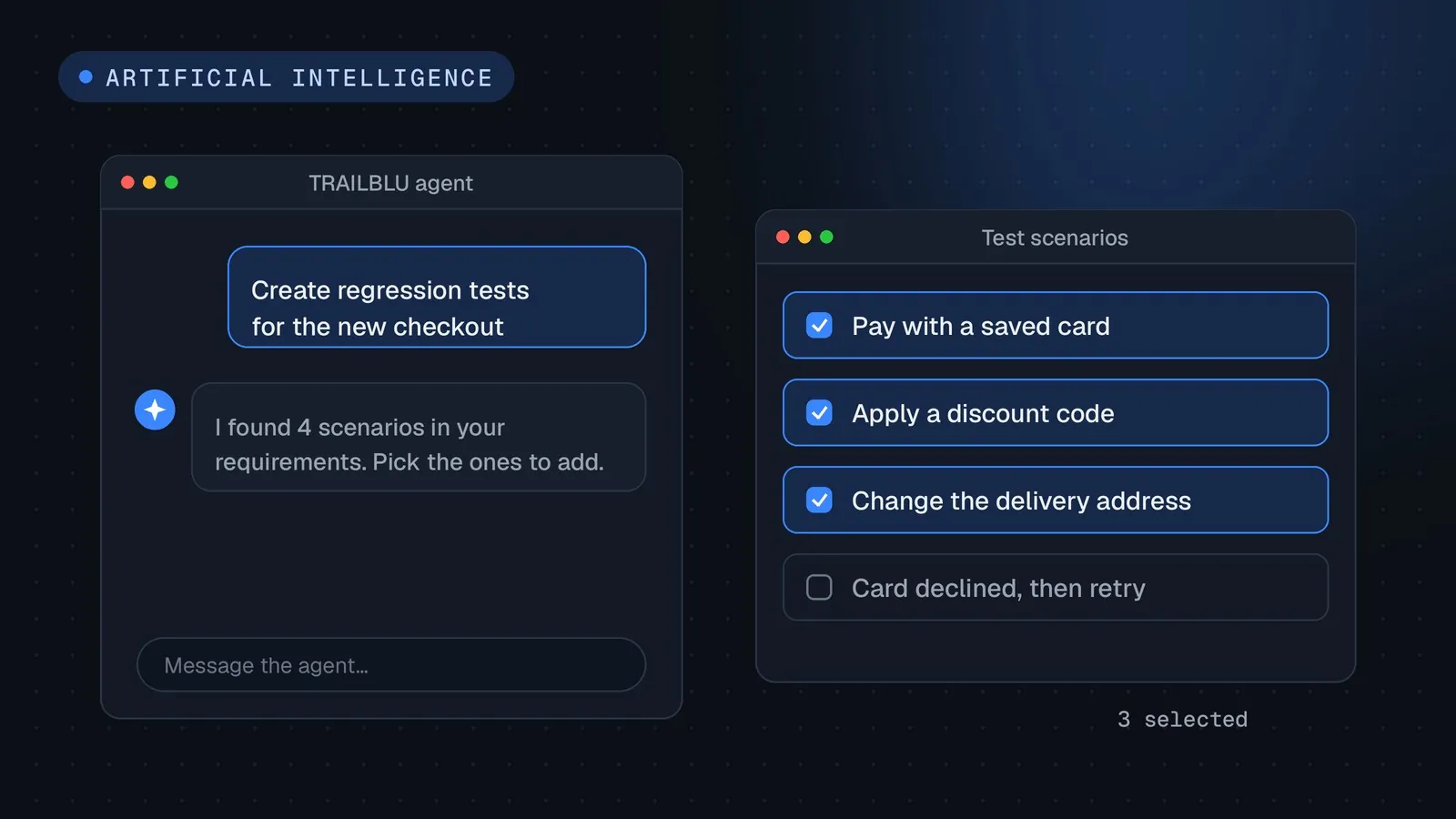
By combining cutting-edge AI tools with human expertise, we offer a seamless testing framework that helps businesses reduce risks, enhance quality, and streamline their development processes.
Conclusion
Navigating the software testing landscape requires a clear understanding of both validation and verification. By incorporating both processes at the appropriate stages, you can minimize costs, enhance product quality, and ensure that the software not only meets design specifications but also satisfies user needs.
At TRAILBLU, we provide the tools and expertise to optimize both aspects of testing, enabling your team to deliver high-quality, reliable software on time. Begin your journey toward flawless software testing with us today!